
Flagbearers: How caucus, consensus candidacy erode internal democracy in parties
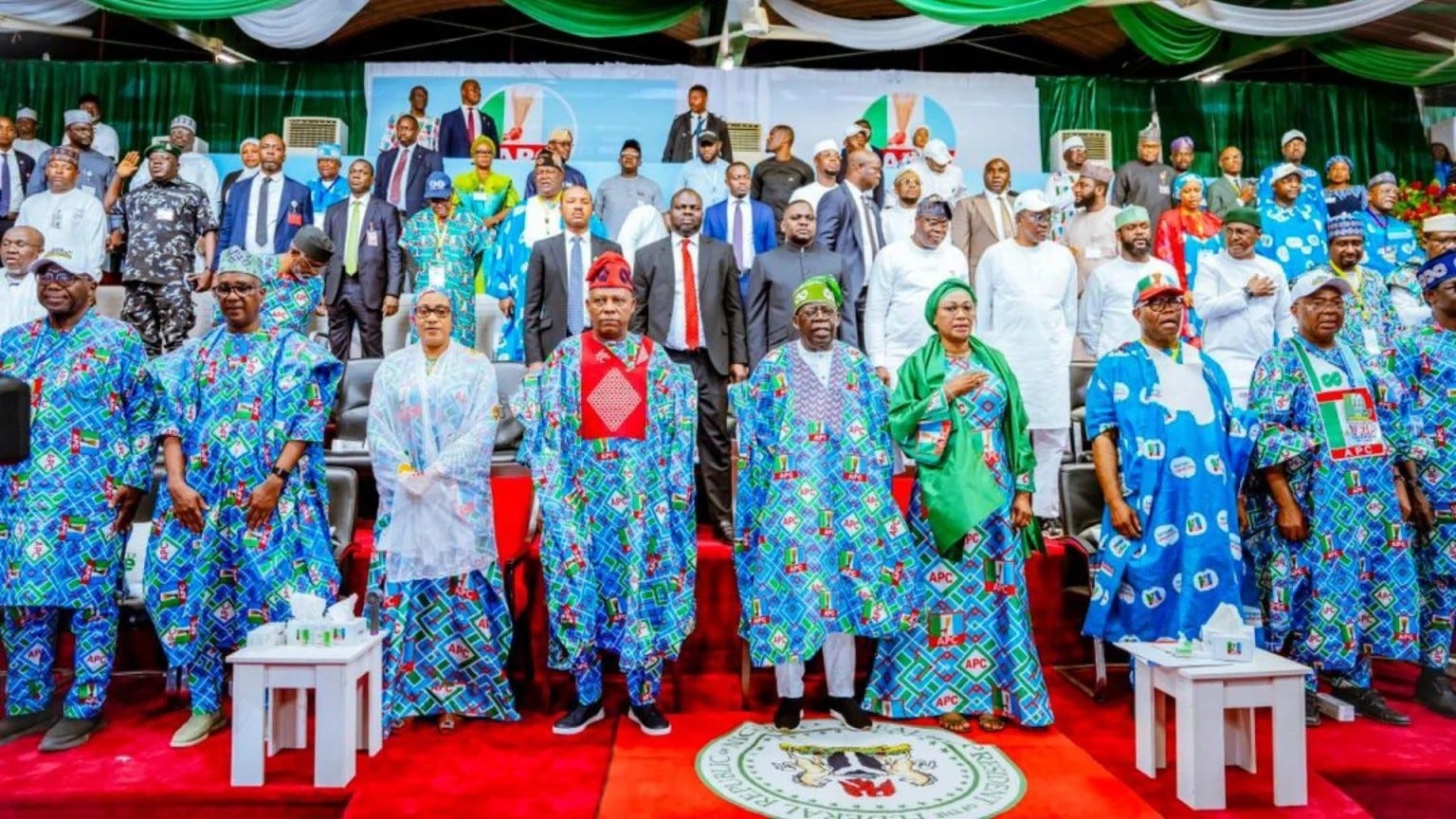
President Bola Tinubu and Vice President Kashim Shettima, as well as others, including First Lady Senator Remi Tinubu stand up for the rendition of the National Anthem during the APC National Convention in Abuja.
From a special purpose vehicle designed to inhibit the monetisation of politics and curb rancorous primaries, the nomination by consensus has left parties in tatters and in smouldering chaos nationwide. OUR REPORTERS have it that the tension triggered has not only exacerbated fault lines among the parties but also exposed a lack of internal democracy and widened leadership struggles.
Section 84(2) of the Electoral Act 2026 narrowed the options for nominating candidates for political offices to just two – direct primaries and consensus – effectively scrapping the long-standing, corruption-laden delegate system.
While direct primaries utilise a “one member, one vote” model that allows party members to vote at the ward level, the consensus model, as enshrined in Section 84(9), comes with stringent conditions, including the written withdrawal of all cleared aspirants and ratification at a special convention or congress.
But rather than revel in the resounding success of the initiative, given its capacity to end widespread monetisation of politics and curb rancorous primaries, chaos pervades various constituencies and senatorial zones as the consensus arrangement has presented itself as a massive and invasive incubus on major political parties recognised by the Independent National Electoral Commission (INEC).
Even the ruling party, the All Progressives Congress (APC), which some opposition parties accuse of inserting the incongruous clause in the Electoral Act 2026, is not exempt.
And so, from Lagos to Sokoto, from Rivers to Nasarawa, across the country, how to cut the prohibitive cost of organising straw polls by the direct method of nominating candidates through the consensus option has become a major hurdle for the front-row political parties.
Before this cul-de-sac, the leaderships of the parties had looked to the consensus alternative, hoping that a measure of give-and-take could be brokered among competing contenders within the party. But with a few days to go before the primary elections, complaints are legion.
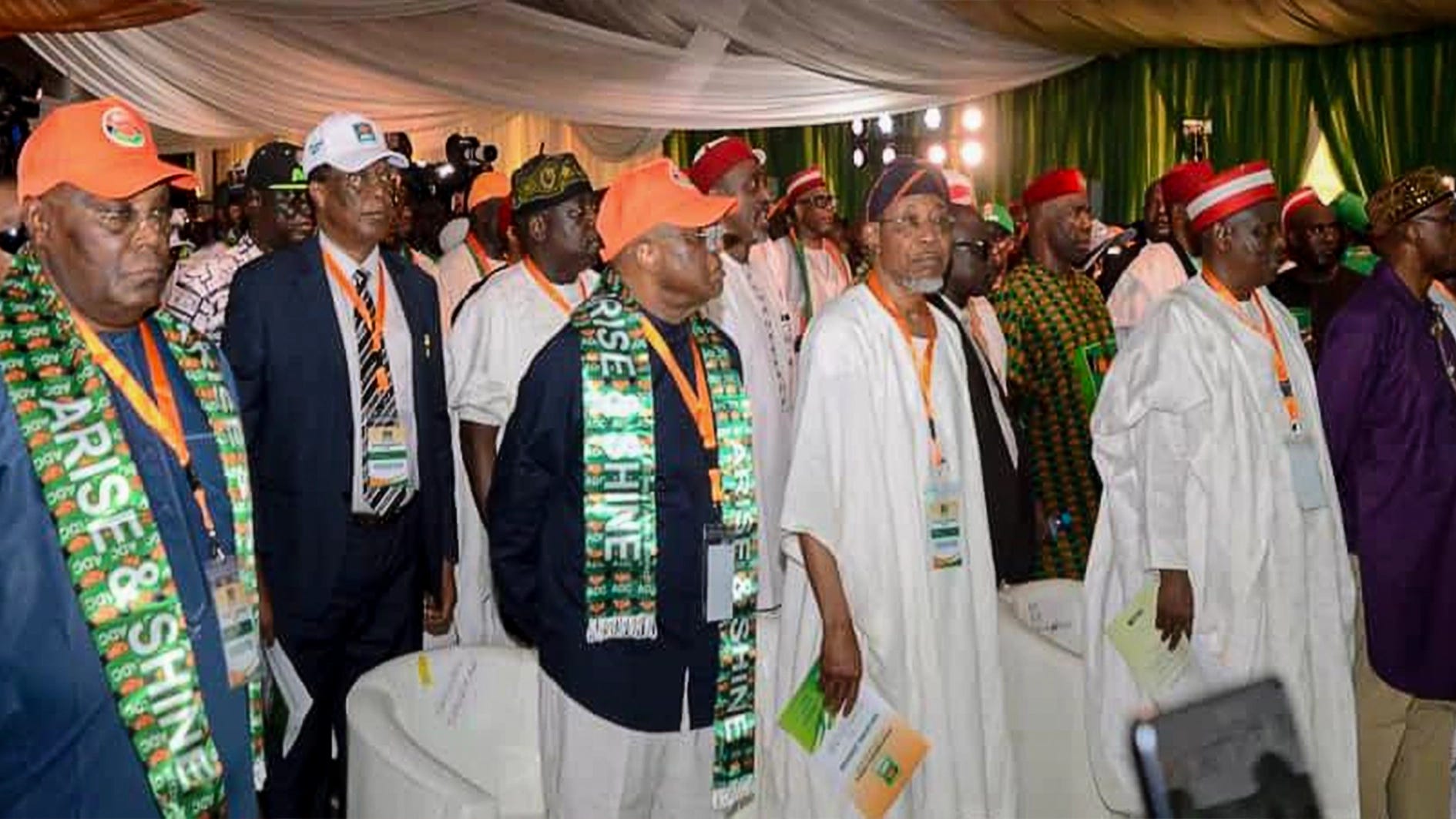
While some aspirants accuse party leaders of extortionate schemes, others allege that consensus has become a byword for godfatherism, procedural manipulation, and flagrant breaches of internal democracy. Within the National Assembly, lawmakers desirous of staging a comeback through the 2027 poll, the consensus option, intended to favour incumbents with the right of first refusal, is also meeting brick walls, especially given the power-sharing or rotation of elective positions among communities.
Although the use of consensus to settle the profusion of interests for a particular position had proved salutary in the South-West in the past, it is no longer so in the current dispensation.
Ondo: Aspirants reject Ayedatiwa’s ‘consensus’ candidate
For instance, from Ondo to Lagos, the consensus or Baba sope (Father says) arrangement has instead triggered tensions, thereby widening leadership struggles within the major parties.
In Ondo State, the APC, for instance, Governor Lucky Aiyedatiwa’s preference for consensus has elicited strong pushback, with many aspirants accusing the governor of a calculated attempt to handpick loyalists, warning that the approach could shut out credible contenders.
While party leaders argue that consensus reduces the monetisation of politics and curbs rancorous primaries, critics insist that it is now being weaponised.
The governor’s perceived political uncertainties, particularly around his future electoral prospects, have further fuelled suspicions that the arrangement is designed to install loyal lawmakers.
Aspirants, including Alex Ajipe, advocate direct primaries as the most transparent option, while others, including Dr Janet Adeyemi, support consensus for its potential to limit excessive spending.
The division is indeed stark, and the tension has escalated to the point where aggrieved stakeholders have contemplated open protests, including walkouts at party meetings.
Ekiti: Consensus divides APC
Ekiti State presents a slightly different but equally volatile scenario. Although primaries are yet to be held, the debate over consensus and endorsements has already polarised the APC in the state.
Moves by the Senate Leader, Opeyemi Bamidele, to secure automatic tickets for incumbent lawmakers have sparked controversy, with critics arguing that such arrangements undermine competition.
Former Governor Kayode Fayemi, backed by ex-Governor Niyi Adebayo, has firmly rejected any form of “kangaroo endorsement,” insisting on either transparent primaries or genuine consensus built on broad agreement. His intervention has emboldened new aspirants, intensified the contest and weakened the chances of a smooth consensus arrangement.
The resistance is not merely theoretical. Lawmaker Hakeem Jamiu openly rejected what he described as an ambush consensus in his constituency, highlighting concerns that such agreements are often pre-arranged without the input of key stakeholders.
In Oyo State, the controversy has taken a dramatic turn with the emergence of a purported list of consensus candidates across elective positions in the APC. The list, reportedly including Senator Sharafadeen Alli as a governorship candidate, has stirred outrage among party members, who see it as an outright imposition.
Oyo, Osun, Ogun. Lagos…
The PDP in Oyo State is not insulated from the crisis as a faction aligned with Nyesom Wike has disowned a similar list allegedly linked to Governor Seyi Makinde, describing it as unauthorised and contrary to due process. The parallel disputes in both the PDP and the APC underscore a broader regional pattern in which consensus is increasingly contested rather than embraced.
In Osun State, early signs of tension are also emerging within both APC and PDP, as aspirants quietly resist moves by influential leaders to narrow the field through consensus. Stakeholders fear a repeat of past internal crises that weakened party cohesion in previous election cycles.
Ogun State mirrors uncertainty. While party leaders have agreed to the candidacy of Senator Olamilekan Solomon Adeola as the 2027 consensus candidate, some aspirants are still grumbling, faulting the process through which the lawmaker representing Ogun West emerged.
A similar scenario occurred when the incumbent governor, Dapo Abiodun, emerged as the party’s consensus candidate for the Ogun East senatorial seat for 2027 despite the interest of the incumbent lawmaker, Senator Gbenga Daniel. Consultations around consensus have reportedly generated anxiety among aspirants, particularly those wary of being edged out through elite negotiations.
In Lagos, the situation remains fluid but potentially explosive. The long-standing tradition of consensus within the APC is facing renewed scrutiny, especially as the 2027 governorship race begins to attract multiple interests. While the mechanism has historically helped the party maintain cohesion, emerging aspirants are increasingly questioning its fairness and transparency.
At present, the party leadership in Lagos has insisted that no aspirant has yet been anointed as the consensus candidate, while the general feeling is that the GAC and Justice Forum have endorsed the incumbent Deputy Governor, Obafemi Hamzat, as the party’s consensus governorship candidate for 2027.
Observers note that across the South-West, the fundamental challenge with consensus lies in its implementation. Ideally designed as a voluntary agreement among aspirants, it is often perceived as a top-down imposition driven by powerful interests.
As the 2027 elections approach, the growing backlash suggests that unless parties strike a balance between consensus and credible participation, the strategy may deepen internal fractures, trigger defections and ultimately weaken party fortunes at the polls.
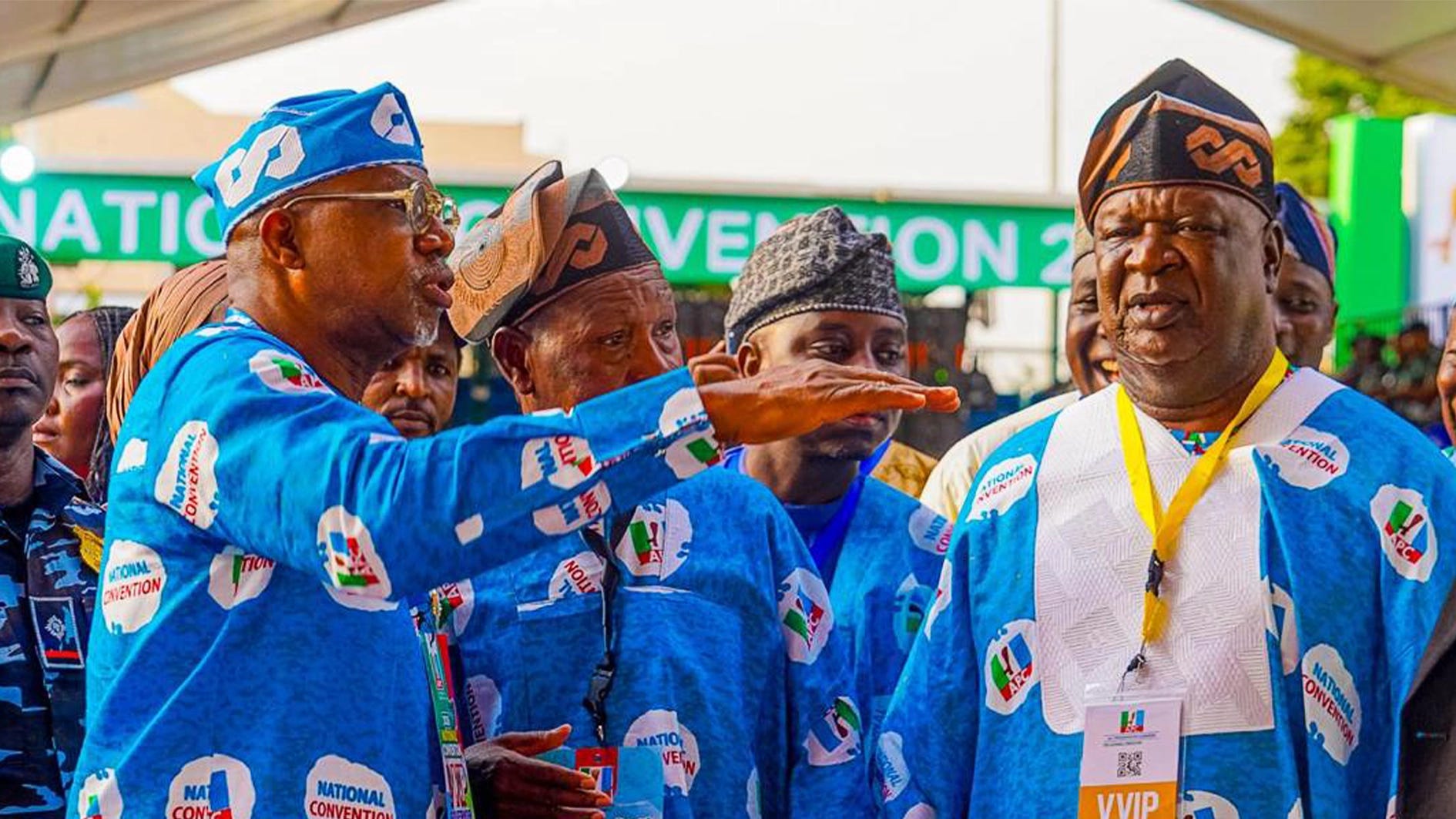
South-East in grip of complaints galore
With the congresses of political parties conducted so far in Enugu State, there are growing indications that governorship candidates of both leading and opposition parties may eventually emerge through consensus arrangements rather than competitive primaries.
For instance, Governor Peter Mbah, who recently defected to the APC, has already leveraged the consensus option to restructure the party in the state. He ensured that executives from his former PDP structure were largely retained before their eventual movement into the APC, effectively consolidating his hold on the party machinery.
Beyond the state level, the party’s South-East zonal leadership also adopted consensus in determining its executives during a congress held in Enugu. The region’s three APC governors, Peter Mbah (Enugu), Francis Nwifuru (Ebonyi) and Hope Uzodimma (Imo), alongside Deputy Speaker Benjamin Kalu, reportedly met behind closed doors and emerged with a pre-agreed list of officials, which was subsequently presented to delegates, effectively ending the exercise without contest.
Given this pattern, there are strong indications that the party’s governorship candidate in Enugu may also emerge through consensus. The wave of endorsements already trailing Mbah suggests that he is unlikely to face any internal contest for the ticket. Party structures in the state, largely seen as loyal to him, are expected to align with his ambitions without resistance.
A similar trend appears to be unfolding within the ADC. The party’s recent state congress in Enugu relied heavily on consensus to produce its executives, raising the likelihood that it may adopt the same approach in selecting its governorship candidate. However, the growing number of aspirants, particularly from Enugu East Senatorial Zone, could test the viability of such an arrangement.
Critics argue that the increasing reliance on consensus poses a serious threat to internal democracy. A legal practitioner, Jude Obiorah, warned that the practice undermines popular participation and encourages the imposition of candidates.
“This arrangement will kill our democracy if care is not taken,” he said, adding that “Those with power and resources determine who emerges, whether the people accept them or not. It also distorts the electoral process, as leaders go to great lengths to enforce outcomes that lack broad support.”
In Imo State, however, the situation remains fluid. Major parties, including the APC, PDP, ADC and LP, are yet to formally adopt consensus candidates. Governor Hope Uzodimma has not openly endorsed any aspirant, but has consistently advocated adherence to the state’s Charter of Equity, an informal zoning arrangement designed to ensure rotational governorship among the three senatorial zones.
According to Uzodimma, equity demands that Imo East (Owerri zone) produce the next governor, given that Imo West (Orlu) has held power for about 24 years and Imo North (Okigwe) for four years, while Owerri zone has had only a brief stint of about seven months between 2019 and 2020.
Despite his public neutrality, the governor’s body language has fuelled speculation. His recent appearance at a civic reception organised by communities in Owerri, in honour of former APC state chairman, Dr MacDonald Ebere, where he described him as “one of the best,” has intensified suspicion that Ebere may enjoy his backing, even though the latter has yet to formally declare interest.
Observers believe the event may have served as a subtle platform to position Ebere ahead of the race.
Meanwhile, the ADC is gaining traction in the state, with former governor Emeka Ihedioha reportedly preparing for another governorship bid. The party is also being strengthened by key figures, including former governor Achike Udenwa, in what appears to be a strategic build-up to challenge the ruling APC.
Within the PDP, Senator Samuel Anyanwu is said to be positioning himself for another run, having contested the governorship in 2019.
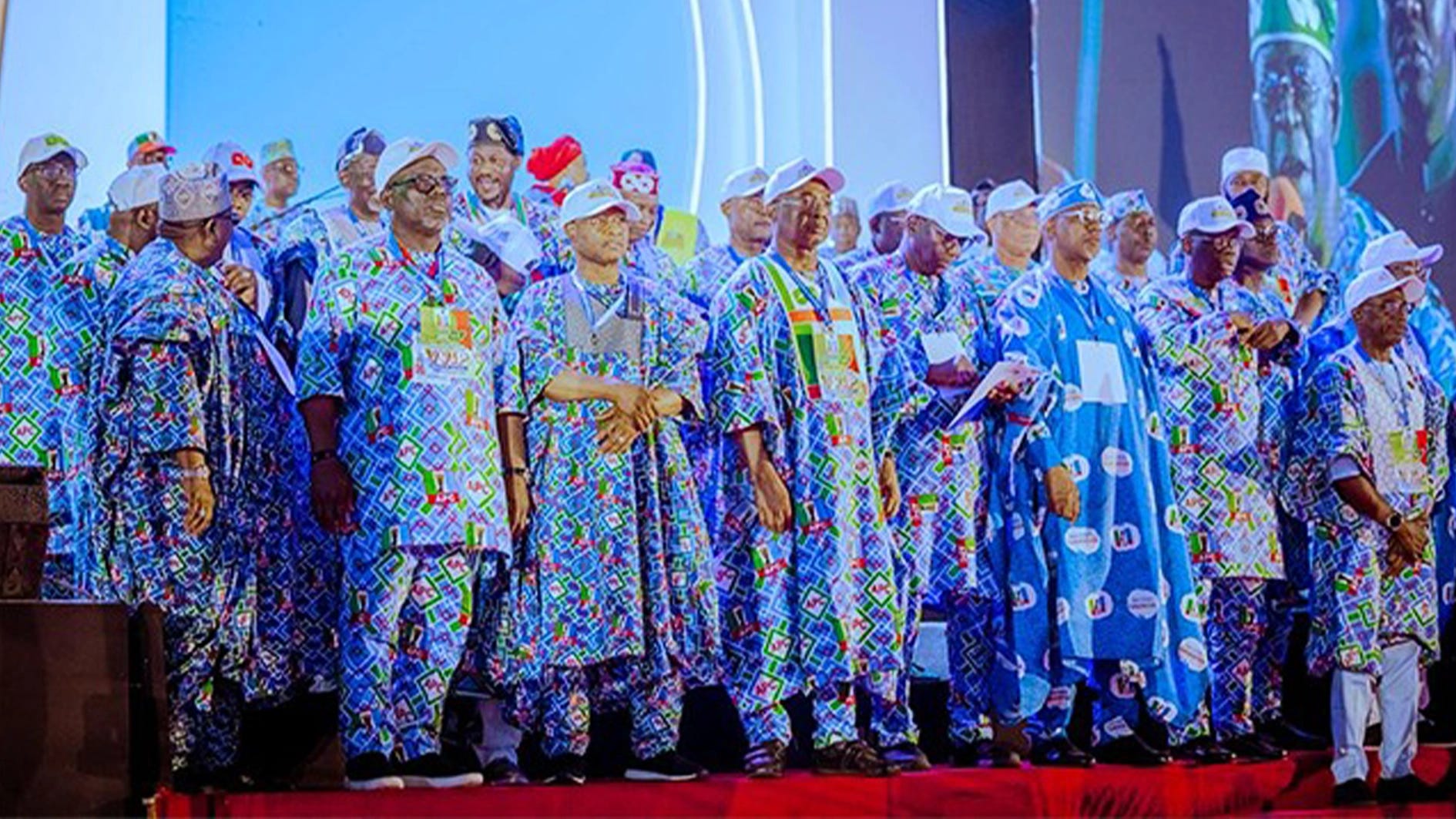
Consensus candidature sparks tension across South-South
In the South-South geopolitical zone, the growing reliance on consensus candidature as a tool for managing party primaries is increasingly generating tension, deepening internal divisions, and, in some cases, threatening party cohesion ahead of the 2027 general elections.
While party leaders often justify consensus as a mechanism to reduce acrimony, limit litigation, and project unity, its implementation across Rivers, Delta, Bayelsa and Akwa Ibom states has exposed underlying power struggles, exclusion claims, and resistance from aggrieved aspirants and stakeholders.
In Rivers State, achieving consensus candidature remains difficult due to entrenched political divisions and competing power blocs. Historically, party leaders often relied on backroom negotiations to determine candidates, balancing zoning, loyalty, and influence. However, the state’s political landscape has become increasingly polarised, making consensus more contentious than stabilising.
The APC in the state is sharply divided among factions loyal to the Minister of the Federal Capital Territory, Nyesom Wike; Governor Siminalayi Fubara; and former Minister of Transportation, Chibuike Amaechi. These divisions have complicated attempts to build agreement around a single candidate, as each bloc struggles to assert dominance.
Although the Electoral Act recognises consensus as a legitimate mode of candidate selection, it requires the written consent of all aspirants, a condition that is rarely met in Rivers’ volatile political environment. In practice, aspirants purchase nomination forms, but outcomes are often shaped by dominant political interests rather than collective agreement.
Critics argue that consensus in Rivers has become a tool for elite control rather than democratic inclusion. As APC chieftain Darlington Nwauju noted, democracy thrives on popularity and open contest, suggesting that consensus often sidelines credible aspirants and fuels further fragmentation.
In Delta State, the defection of Governor Sheriff Oborevwori from the Peoples Democratic Party (PDP) to the APC has dramatically altered the political equation, complicating efforts to establish consensus within the ruling party.
The governor’s move has effectively blurred party lines and created the perception of a creeping one-party state, particularly as the PDP struggles to remain competitive.
However, within the APC, Oborevwori’s ambition to emerge as the consensus governorship candidate for 2027 has triggered resistance from established party heavyweights.
Figures such as former Deputy Senate President Ovie Omo-Agege and ex-governor James Ibori remain influential and have not fully aligned with the governor’s agenda. This has led to an intense power struggle over control of party structures and the direction of candidate selection.
Tensions escalated during recent ward congresses, where allegations emerged that the governor attempted to impose loyalists across the party hierarchy.
Critics argue that such moves undermine inclusiveness and alienate longstanding party members, particularly those who built the APC structure before recent defections.
Ironically, consensus would have been easier to achieve had Oborevwori remained in the PDP, where he enjoyed near-total control of the party machinery. In the APC, however, he faces a more competitive environment, where consensus is not easily dictated but must be negotiated among powerful stakeholders.
The situation illustrates how consensus, rather than uniting the party, can intensify rivalry when competing interests perceive the process as a veiled attempt at imposition.
In Bayelsa State, the APC is grappling with what observers describe as a looming implosion, largely triggered by disagreements over consensus arrangements adopted during its recent congresses.
Following the ward, local councils, and state congresses held between February and March 2026, party leaders declared the process peaceful and based on consensus. However, several stakeholders have rejected that characterisation, alleging that the process was manipulated to favour new entrants into the party.
The controversy has deepened existing rivalries, particularly between supporters of former Governor Timipre Sylva and those aligned with the Minister of State for Petroleum Resources (Oil), Senator Heineken Lokpobiri. Both camps are positioning loyalists to secure control of the party ahead of 2027.
Longstanding party members have expressed frustration that they are being sidelined in favour of defectors, raising concerns about fairness and loyalty. Chieftains such as Chief Julius Bokoru have criticised the composition of congress committees, describing them as lopsided and incapable of fostering unity.
Warnings of potential defections have already emerged. Former deputy governorship candidate, Great Joshua MacIver, cautioned that the party risks losing key stakeholders if it fails to address internal imbalances and reconcile competing blocs.
Despite assurances by the newly inaugurated state leadership that the party remains united, the underlying tensions suggest that consensus, as currently practised, may weaken rather than strengthen the APC in Bayelsa.
The resistance to consensus candidature is becoming more pronounced at the grassroots level in Akwa Ibom State. Party stakeholders in Ikot Ekpene have openly opposed attempts to impose a consensus candidate for the State House of Assembly primaries.
At a stakeholders’ meeting, party leaders rejected directives reportedly encouraging unanimous endorsement of a preferred candidate, describing the move as undemocratic and contrary to the principles of fair play.
Critics argue that, in this context, consensus is being used to circumvent the will of party members and deny aspirants a level playing field. Ubong Amadu, a former assistant secretary of the APC, described the arrangement as antithetical to internal democracy and inconsistent with the provisions of the Electoral Act.
Supporters of direct primaries insist that open contests remain the most credible method of candidate selection, allowing party members to determine their representatives without undue interference.
The pushback in Akwa Ibom highlights a broader concern across the region, that consensus, when not genuinely negotiated, is often perceived as imposition, thereby eroding trust within party structures.
The debate over consensus candidature as a tool for party unity or a trigger for internal crisis in Cross River State is gradually taking shape, despite the prevailing calm among political actors ahead of 2027. Unlike flashpoints such as Ogun, Oyo, Nasarawa and Lagos, where the model has sparked open protests, Cross River’s tensions remain largely beneath the surface.
Recent political realignments are fuelling quiet uncertainty. Senator Jarigbe Agom Jarigbe’s growing closeness to the APC, after winning his seat on the PDP platform, and former governor Ben Ayade’s anticipated comeback bid have introduced competing interests within the same political space. With no clear signals from the state government or major parties on zoning or preferred candidates, the stage appears set for elite bargaining.
Observers note that consensus arrangements may already be taking root within the State Assembly, where incumbents are positioning for return tickets with minimal resistance.
While this may favour continuity, it risks alienating younger aspirants and sidelined stakeholders, potentially triggering defections.
The consensus politics in Edo State is proving more contentious. In Edo South, allegations of preferred candidates, shifting endorsements and resistance from aggrieved aspirants underscore how elite-driven arrangements could deepen divisions rather than strengthen party cohesion.
Across the South-South, the challenges of consensus candidature reflect a deeper struggle over power, inclusion, and internal democracy. While the mechanism offers theoretical benefits, its practical application has often been marred by manipulation, exclusion, and resistance from aggrieved stakeholders.
North’s knotty scenarios persist
Across key northern states, the debate over consensus candidacy within the ruling APC is increasingly exposing fault lines, as stakeholders struggle to balance party unity with democratic inclusion ahead of the 2027 elections.
For instance, the decision by party stakeholders in Nasarawa State to adopt direct primaries for all elective positions reflects a growing resistance to consensus arrangements perceived as tools for imposition.
The agreement, reached across the 13 local councils, is aimed at guaranteeing a level playing field for aspirants. However, the move has not entirely doused tension, particularly following Governor Abdullahi Sule’s open endorsement of Senator Ahmed Aliyu-Wadada as his preferred successor.
The governor’s action, compounded by the lawmaker’s presentation to President Bola Tinubu, has triggered internal disquiet, with critics accusing him of acting without broad consultation. Former governor, Senator Tanko Al-Makura, described the move as premature, while ex-Inspector General of Police, Mohammed Adamu, rejected the endorsement outright, insisting that the electorate, not political elites, must determine the next governor.
Allegations of subtle pressure on party officials to align with the governor’s choice have further deepened mistrust, underscoring the difficulty of enforcing consensus without alienating key stakeholders.
A similar caution against consensus is evident in Kaduna State, where the APC leadership has publicly ruled out the option, urging aspirants to test their popularity through open primaries. The state government has also denied claims that Governor Uba Sani is backing any preferred candidates, stressing its commitment to a transparent and inclusive process.
Yet, beneath these assurances, suspicions persist among party members, particularly in the Kaduna Central Senatorial District, where speculation is rife that certain aspirants may enjoy tacit support.
The situation reflects a broader contradiction: while consensus is officially rejected, political realities continue to fuel perceptions of indirect endorsement and elite influence. In the opposition, however, the conversation tilts in a different direction, with parties like the ADC reportedly weighing consensus options to consolidate strength against the APC, even as such plans risk internal disagreements over fairness and legitimacy.
Warning that consensus arrangements may split APC in Kano, stakeholders said adopting them to select candidates ahead of the 2027 elections could divide the party. They argue that denying members open contests may create resentment. Presently, tension is rising between legacy APC members loyal to former chairman Abdullahi Ganduje and former NNPP members who defected with Governor Abba Kabir Yusuf. Legacy members seek return tickets for performing lawmakers, while new entrants insist on equal opportunity. Several aspirants have declared interest in seats held by incumbents, fuelling fears of an internal crisis.
Kwara State presents perhaps the most complex scenario, where consensus is actively being promoted, particularly by stakeholders in Kwara North seeking to produce the next governor through zoning and equity. While the move is designed to reduce friction, it has instead triggered competing interests across the state.
Multiple aspirants within the APC have complicated efforts to arrive at a single candidate, while factions within Kwara North itself remain divided over who should emerge.
The push for zoning has also met resistance from influential blocs, especially within the Ilorin Emirate, where stakeholders argue that merit and electoral strength, not geography, should determine candidacy.
Their warning against imposition, backed by references to the historic “O to ge” political uprising, highlights the risks of enforcing consensus without broad-based agreement.
In Yobe, allegations of selective imposition are rife. A group of constituents under the auspices of the Yobe State Concerned Citizens (YSCC) recently cried out, alleging that the APC leadership has been forcefully collecting party faithful’s membership cards ahead of the party’s governorship primaries in the state.
Only a fortnight ago, members of the party resolved that they would not support consensus methodology in the selection of the party’s candidates for next year’s election, especially for the post of state governor.
But, in a statement to journalists on Wednesday, the YSCC Coordinator, Musa Ali Baba, raised the alarm of the planned disenfranchisement of delegates at the gubernatorial primaries.
He disclosed that many APC members, particularly those at the grassroots, were asked to surrender their membership cards without any legitimate reason, a situation that he said raised many questions among party stakeholders and various constituents in the 17 Local Government Areas of the state.
Baba remarked that the development comes as part of another grand plan to impose an unpopular candidate by giving the forcefully seized membership cards “to only their so-called loyal members to vote, if it finally turns out that the primaries should be direct, as against consensus.”
The situation in Zamfara State has broader dimensions. The crisis rocking the APC revolves around its planned convention. The factions loyal to the three godfathers are focusing on their principals’ political interests as they debate the sharing formula.
Investigation revealed that APC leaders in the state who, by their efforts, are recognised as icons that brought the party, have subjected the party to confusion over their future political interests.
It was gathered that only the recently defected Governor Dauda Lawal and his political partner, Senator Abdulaziz Yari Abubakar, jointly decide what happens in the party regarding the sharing of all the key positions to be contested.
In an audio clip that went viral, the Minister of State for Defence, Bello Mohammed Matawalle, lamented that Governor Dauda Lawal and Senator Abdulaziz Yari Abubakar have sidelined him, noting that, “they decide and share all key positions without even contacting me.
“I defected to the ruling party when I was a Governor, but I carried everybody along to avoid fuelling bitter grudges in the government and the party. All those selfless decisions did not stop some of the party members from embarking upon secret activities against the victory of the party, which we failed in the 2019 election.”
GUARDIAN Newspapers